
New Episode
Short Summary
In this episode of the Legacies Podcast, host Tom Ritchie welcomes Ken Weisbrod, a registered pharmacist and the former VP of Pharmacy at Shoppers Drug Mart. Weisbrod outlines the strategic and regulatory hurdles of spearheading the ‘Cannabis by Shoppers’ program, a national medical cannabis distribution initiative designed to integrate cannabis into a clinical pharmacy framework with structured medical oversight.
Weisbrod discusses the biological importance of drug-to-drug interactions, explaining how cannabinoids metabolize in the liver and affect concurrent drug therapies. He critique’s Canada’s current recreational retail framework, noting that the emphasis on a commercial adult-use market has sidelined medical research and patient-centric programs. He highlights the public health concerns of combustible consumption, noting that despite substantial excise tax revenues, the federal and provincial governments have failed to fund emissions and toxicity testing for inhaled formats.
In the second half, the discussion evaluates the current consultations by Health Canada on CBD and natural health products. Weisbrod argues for clear separation between adult-use products and clinical products, warning that the labeling of Cannabis Health Products (CHPs) without medical oversight may mislead the public. Finally, he outlines the necessity of pharmaceutical standardization—including clinical trial structures, blockchain-based supply chain transparency, and drug identification numbers (DINs)—to ensure patient safety and establish cannabis as a legitimate clinical therapy.
Tom Ritchie Says: Welcome to Legacies, everyone! Legacies is powered by AVEO, leaders in sustainable vape hardware. I’m joined this week by Ken Weisbrod. Ken, you are a seasoned veteran in clinical pharmacy who spearheaded Shoppers Drug Mart’s national medical cannabis program. With Health Canada once again consulting on over-the-counter CBD and Cannabis Health Products in pharmacy, this conversation couldn’t be more timely. Welcome to Legacies!
Ken Weisbrod Says: Thanks, Tom, for having me on. It brings me back to our shared roots. Rolling out the Shoppers Drug Mart program was quite a journey, and I still keep in touch with many early industry pioneers.
Tom Ritchie Says: It was like building the airplane while it was taking off during my days at Ample Organics! Ken, help our audience understand your professional background and how a practicing clinical pharmacist ended up launching cannabis across Canada’s largest pharmacy retailer.
Ken Weisbrod Says: I am a licensed clinical pharmacist in Canada and across several southern US states. I retired from Shoppers Drug Mart in 2023 but continue to consult across pharmacy and chair our medical advisory committee. Early in my career, I specialized in narcotics consulting for Health Canada, so I had a deep working knowledge of federal controlled substance regulations.
Ken Weisbrod Says: Around 2011 and 2012, when the Harper government began redesigning the medical marihuana access regime toward commercial licensed producers, I was in business development at Shoppers. I looked at the framework and realized that if cannabis was being prescribed by physicians as medicine to treat chronic conditions, it belonged inside community pharmacies. Cannabis interacts with prescription drugs, standard therapies are replaced by it, and it demands clinical triage. That conviction sparked our initial strategy.
Tom Ritchie Says: What was Shoppers’ patient acquisition strategy when every licensed producer was trying to sell directly to patients?
Ken Weisbrod Says: Our value proposition was clinical trust. As Canada’s leading pharmacy chain, we approached cannabis strictly as healthcare. We engaged early cannabis think tanks, funded the Canadian Consortium for the Investigation of Cannabinoids (CCIC), and partnered with Dr. Hance Clarke at University Health Network (UHN) to establish dosing guidelines and drug interaction protocols. We essentially wrote the textbook on clinical cannabis dispensing.
Ken Weisbrod Says: We took a leadership role when many corporate entities were hesitant. For veterans, medical cannabis quickly became the single largest funded medication on their formulary—exceeding $200 million annually. But when the federal government shifted priorities toward adult-use commercialization in 2018, the medical ecosystem was largely sidelined.
Ken Weisbrod Says: Canada boasts a publicly funded healthcare system facing unprecedented strain—millions of citizens lack primary care physicians, emergency departments are overcrowded, and funding is stretched thin. Yet our governments commercialized a combustible, smokable vice through provincial liquor monopolies without adequate health warnings or clinical emissions oversight. As a healthcare professional, that policy disconnect is deeply troubling.
Tom Ritchie Says: It felt as though adult-use legalization arrived so rapidly that medical research had all the air sucked out of the room.
Ken Weisbrod Says: That is the unfortunate reality. In 2023, I attended a symposium with top Canadian clinical researchers. Shoppers had funded essential studies, but I had to tell them honestly: the policy momentum has shifted toward recreational vice. Our federal and provincial governments collect billions in gross excise and markups, yet they have refused to dedicate meaningful funding toward long-term toxicology and emissions testing for the most consumed format: combustible flower.
Ken Weisbrod Says: I presented toxicology data from 2008 and 2009 to members of the federal legalization advisory committee, including former Justice Minister Anne McLellan. Those tests revealed substantial toxic emissions in combusted cannabis smoke. Yet that evidence was largely ignored. Under the WHO Framework Convention on Tobacco Control, cigarette manufacturers must disclose emissions and toxicity. Why should combustible cannabis be exempt when millions of youth consume it daily?
Tom Ritchie Says: There is rampant “bro science” claiming cannabis smoke is somehow therapeutic for the lungs. Combustion produces polycyclic aromatic hydrocarbons regardless of the plant matter!
Ken Weisbrod Says: Exactly. When I raised this during federal natural health product consultations, ministry officials asked what other countries were doing. I pointed out that Canada was the first major G20 nation to legalize—the world was looking to us for scientific leadership, and we conducted virtually zero independent emissions testing. When US FDA officials asked me why Canada would legalize a smokable vice within a public healthcare system without rigorous oversight, I had no acceptable defense.
Tom Ritchie Says: Many consumers believe cannabis has zero contraindications. How does cannabis interact with conventional pharmaceuticals?
Ken Weisbrod Says: Cannabis is a potent pharmacologically active compound. Cannabinoids induce and inhibit cytochrome P450 enzymes in the liver, drastically altering the metabolic rate of common prescription medications like blood thinners, anticonvulsants, and psychiatric drugs. Top pharmacy management software, including systems at Telus Health, run automated algorithms to flag these interactions.
Ken Weisbrod Says: If a consumer is taking daily heart medication and starts consuming high-potency THC or CBD, their drug levels can become dangerously sub-therapeutic or toxic. That clinical triage belongs in the hands of a licensed pharmacist, not an uncredentialed retail clerk.
Ken Weisbrod Says: Early on, I walked through Vancouver and saw recreational pot shops hanging signs calling themselves “pharmacies” or “dispensaries.” As someone who spent five years in university earning a clinical pharmacy license, that was deeply offensive. In Canada, the term “dispensary” historically signified a community health clinic.
Ken Weisbrod Says: Now Health Canada is proposing a “Cannabis Health Product” (CHP) category. If the federal government officially acknowledges health benefits, where will these products be sold? If you sell them in recreational dispensaries alongside infused blunts, consumers assume all cannabis products are inherently healthy. Healthcare claims demand professional healthcare distribution.
Tom Ritchie Says: Infused pre-rolls have become the dominant revenue driver in Canadian retail, combining cured trim with botanical terpenes and concentrates.
Ken Weisbrod Says: We have products packed with high-potency hydrocarbon extracts and artificial flavoring agents not native to cannabis, marketed without ingredient toxicity disclosures. Conversely, advanced closed-loop vapor technology was engineered as heat-not-burn harm reduction. When manufactured to strict medical hardware standards, quality vapor devices drastically cut combusted toxins. But without standardized emissions regulations, consumers cannot discern clean engineering from substandard hardware.
Tom Ritchie Says: It is absurd that Canada continues to levy excise duty and GST/HST on authorized medical cannabis patients.
Ken Weisbrod Says: Taxing medicine is unconscionable. When a physician writes an authorization for a child with Dravet syndrome or a wounded veteran battling PTSD, applying excise tax forces vulnerable patients to bear an unfair fiscal penalty. Because oral oils incur processing costs, the excise tax formula makes tinctures more expensive per milligram than raw flower, perversely incentivizing patients to smoke rather than consume safer ingestibles.
Ken Weisbrod Says: Dr. Hance Clarke’s clinical trials at UHN proved that cannabis can be used effectively for opioid abatement. When patients undergo cognitive behavioral therapy for opioid dependency, monitored cannabinoid therapy eases withdrawal symptoms and significantly improves treatment retention. Dr. Alan Shackelford demonstrated this years ago with pediatric epilepsy in Colorado. Cannabis possesses legitimate therapeutic power, but realizing its potential requires physician triage, clinical protocols, and tax-free pharmacy dispensing.
Tom Ritchie Says: At Shoppers, you spearheaded an initiative using TruTrace blockchain technology to verify medical cannabis inputs.
Ken Weisbrod Says: In early cannabis, licensed producers boasted about “funded capacity” rather than batch consistency. In pharmacy, every medication has a Drug Identification Number (DIN)—when I dispense a pill, it is chemically identical every 90 days. Cannabis flower varies wildly between harvest batches and canopy levels. We introduced blockchain tracking with TruTrace to guarantee strain origin, terpene stability, and clean cultivation standards for patients participating in clinical trials.
Ken Weisbrod Says: If an LP wants to produce medicine, they must meet Drug Establishment Licensing (DEL) and pharmaceutical GMP standards. If Health Canada classifies CBD as a Natural Health Product, manufacturers must adhere to NHP site licensing and batch reproducibility. A pharmacist cannot dispense a health product if active ingredient levels fluctuate wildly between lots.
Tom Ritchie Says: Retail pharmacy is undergoing massive structural upheaval, with corporate consolidations and mail-order pressures.
Ken Weisbrod Says: Community pharmacy is facing severe margin compression—Rite Aid entered bankruptcy, and Walgreens was privatized. Integrating regulated Cannabis Health Products behind the pharmacy counter would provide a critical commercial boost to community pharmacies while ensuring patients receive clinical medication reviews before consuming cannabinoids.
Ken Weisbrod Says: Shoppers once placed informational posters in store pharmacies advising patients that pharmacists were available to answer medical cannabis questions. Health Canada ordered them removed, alleging we were “inducing consumption”! Meanwhile, provincial distributors wrap public transit buses with recreational cannabis promotions directing shoppers to government-run pot portals. Silencing licensed pharmacists while promoting government vice sales is entirely backward.
Tom Ritchie Says: Where do you see the global regulatory framework heading over the next five years?
Ken Weisbrod Says: I believe the United States will ultimately reschedule cannabis to Schedule III. Moving cannabis into Schedule III establishes a prescription pathway into American retail pharmacies, aligning the US with the 1961 and 1971 UN Single Conventions. Canada took the shortcut of recreational vice; the United States may very well build the disciplined clinical pharmacy model Canada should have championed.
Tom Ritchie Says: Ken, your courage to demand clinical integrity, research, and patient safety has left an indelible mark on Canadian healthcare. Thank you for joining us on Legacies!
Ken Weisbrod Says: Thank you, Tom. I appreciate the opportunity to share these perspectives.
Jump to 01:28
Jump to 04:12
Jump to 03:35
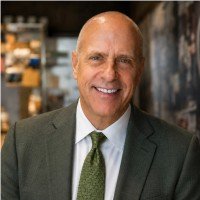
Former VP of Pharmacy
Ken Weisbrod is a registered pharmacist and the former VP of Pharmacy at Shoppers Drug Mart, where he designed and spearhead the 'Cannabis by Shoppers' program.
View Guest Profile ↗
Retail Pharmacy Chain
Shoppers Drug Mart is Canada's largest retail pharmacy chain. Under the leadership of Ken Weisbrod, the company launched its pioneering...
Learn More About Partner ↗Weisbrod argues that because cannabis behaves pharmacologically as a drug, its distribution requires clinical oversight. Dispensing it through pharmacies allows pharmacists to screen for drug-to-drug interactions, guide therapeutic dosing, and monitor patient health history.
A major concern is the lack of public funding for emissions and toxicity research on combustion. Despite significant government tax revenues, there are very few studies examining the health impacts of long-term inhalation of combusted cannabis flower and infused pre-rolls.
Obtaining a DIN requires double-blind clinical trials and standard manufacturing metrics. Having a DIN would validate cannabis under standard medical parameters, allowing doctors to prescribe it with precise therapeutic guidelines and enabling insurance companies to cover it.